

More than eighty percent of buyers mistake british handmade furniture for overpriced luxury, yet this tradition stands as a cornerstone of authenticity and value. The world of British craftsmanship ties together history, sustainability, and artistry in ways that mass production simply cannot. Discover why investing in handmade furniture from the United Kingdom means choosing quality, individuality, and environmental responsibility while debunking common myths along the way.
Table of Contents
- Defining UK Handmade Furniture And Common Myths
- Types Of UK Handmade Furniture And Materials Used
- Craftsmanship, Personalisation And Bespoke Options
- Environmental Impact And Sustainability Factors
- Investment Value Compared To Mass-Produced Pieces
- Shopping And Care Considerations For UK Buyers
Key Takeaways
| Point | Details |
|---|---|
| Craftsmanship Distinction | UK handmade furniture embodies skilled artisanship and meticulous design, setting it apart from mass-produced items. |
| Myth of Expense | Contrary to common belief, handmade furniture can provide remarkable value, merging longevity and durability with aesthetic appeal. |
| Personalisation Benefits | Artisans offer extensive customisation options, ensuring furniture fits individual tastes and requirements, enriching the ownership experience. |
| Sustainability Commitment | UK craftsmen prioritise sustainable practices, using locally sourced materials to minimise environmental impact while producing durable pieces. |
Defining UK Handmade Furniture and Common Myths
When exploring the world of British craftsmanship, understanding what truly constitutes handmade furniture becomes essential. UK handmade furniture represents more than just an object crafted with tools - it embodies a rich tradition of skilled artisanship, meticulous design, and exceptional quality that transforms ordinary pieces into extraordinary works of functional art.
Handmade furniture in the United Kingdom is distinguished by several key characteristics. Unlike mass-produced items, these pieces involve direct human skill and careful construction techniques passed through generations of woodworkers and designers. Craftspeople typically work with high-quality, locally sourced timber like oak, walnut, and beech, selecting each plank with precision and understanding its unique grain and structural properties. These artisans often use traditional joinery methods such as dovetail joints, mortise and tenon connections, and hand-cut details that machine production simply cannot replicate.
Numerous myths surround handmade British furniture that deserve debunking. Many people mistakenly believe handmade furniture is prohibitively expensive or exclusively for luxury markets. In reality, handcrafted pieces from skilled UK artisans can represent remarkable value. While initial costs might be higher than mass-produced alternatives, the longevity, durability, and timeless design of handmade furniture often make it a more economical choice in the long term. Each piece tells a story, carries individual character, and can potentially become a cherished family heirloom that appreciates in both emotional and potentially monetary value.
Beyond cost considerations, another prevalent myth suggests handmade furniture lacks design versatility. Contemporary British craftspeople challenge this misconception by creating pieces that range from classic, traditional styles to sleek, minimalist modern designs. Their ability to customise dimensions, select specific wood types, and incorporate unique design elements means handmade furniture can suit virtually any aesthetic preference or interior design scheme. Whether you seek a rustic farmhouse dining table or a streamlined contemporary bookshelf, skilled UK artisans can transform your vision into a tangible, beautifully crafted reality.
Types of UK Handmade Furniture and Materials Used
UK handmade furniture represents a rich tapestry of craftsmanship, with artisans carefully selecting materials that reflect both traditional techniques and contemporary design sensibilities. Furniture makers across the United Kingdom employ a diverse range of materials to create pieces that are not just functional, but also tell a story of exceptional skill and design heritage.
Hardwoods form the cornerstone of British furniture making, with oak, ash, and walnut standing out as premier choices. These materials are prized for their remarkable durability, distinctive grain patterns, and ability to age beautifully. Oak, in particular, has been a staple in British woodworking for centuries, offering incredible strength and a timeless aesthetic that complements both traditional and modern interiors. Walnut brings a luxurious, deep tone with rich character, while ash provides exceptional flexibility and resilience, making it ideal for furniture that requires structural integrity.
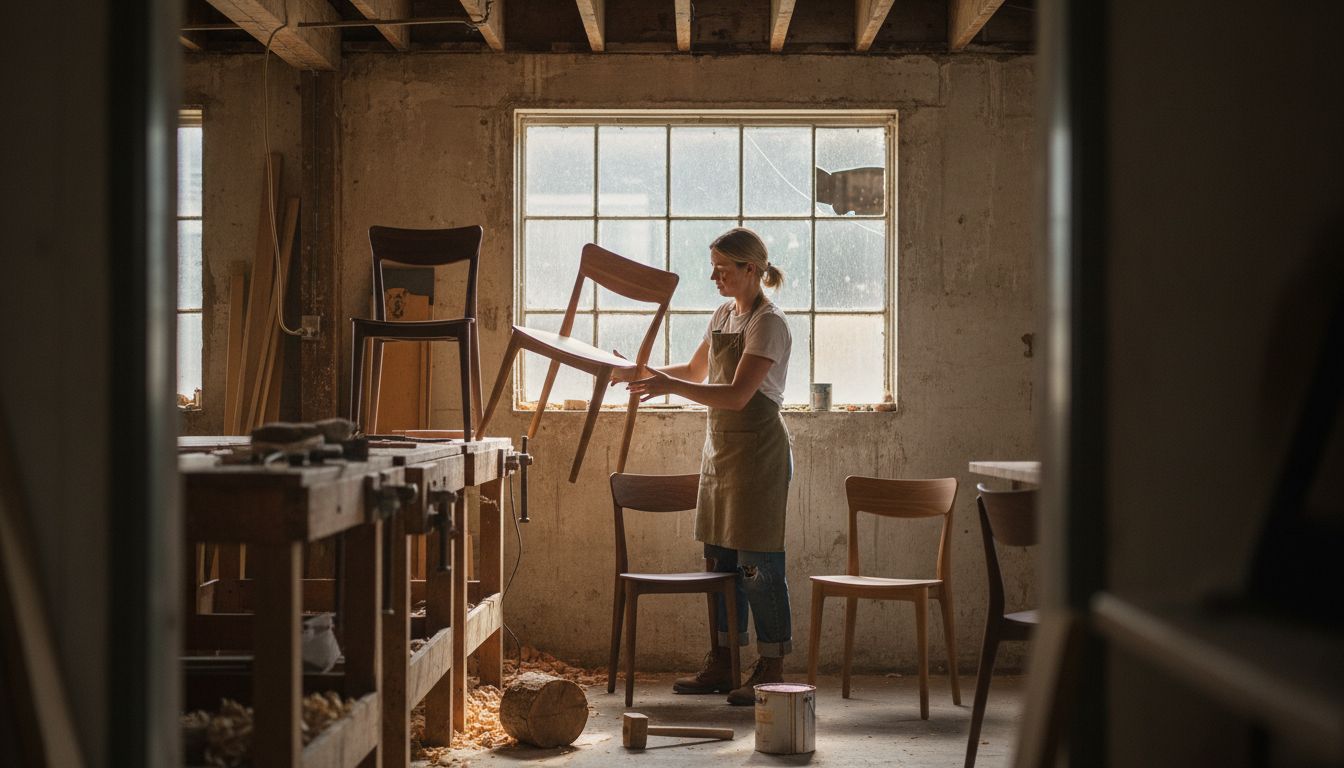
Beyond traditional hardwoods, contemporary UK furniture makers are exploring innovative material combinations. Softwoods like pine and cedar offer lighter, more affordable options, while engineered woods such as plywood and medium-density fibreboard (MDF) provide versatility and cost-effectiveness. Veneers have also become increasingly popular, allowing craftspeople to achieve high-end aesthetic looks while managing material costs. These alternative materials expand the creative possibilities for furniture design, enabling artisans to create pieces that are both visually stunning and functionally robust.
The selection of materials in UK handmade furniture goes far beyond mere practicality - it represents a nuanced art form. Each wood type brings unique characteristics: some offer warmth and traditional charm, while others provide sleek, contemporary appeal. The Hexham Fabric Sofa Collection exemplifies this approach, demonstrating how skilled craftspeople can blend traditional woodworking techniques with modern design sensibilities. Whether it’s a rustic farmhouse table crafted from solid oak or a minimalist bookshelf incorporating engineered wood elements, UK handmade furniture continues to push the boundaries of design, functionality, and artistic expression.
Craftsmanship, Personalisation and Bespoke Options
The essence of UK handmade furniture lies not just in its creation, but in the profound personalisation and bespoke craftsmanship that transforms each piece from a mere functional object into a unique work of art. British artisans approach furniture making as a deeply collaborative process, inviting customers to become active participants in the design journey, ensuring that every piece reflects individual taste, lifestyle, and spatial requirements.
Personalisation represents the cornerstone of handmade furniture craftsmanship. Unlike mass-produced items that offer limited variations, UK craftspeople provide extensive customisation options. Customers can specify precise dimensions to fit unique room layouts, select specific wood finishes that complement existing decor, and even incorporate personal design elements that tell their individual story. The James Footstool Collection exemplifies this approach, offering multiple configuration possibilities that allow clients to create furniture truly tailored to their living spaces.
The bespoke process in British furniture making is a meticulous art form that combines traditional techniques with modern design sensibilities. Skilled craftspeople engage in detailed consultations, sketching initial designs, presenting material samples, and refining concepts through close collaboration with clients. This approach ensures that each piece is not just manufactured, but carefully crafted to meet exact specifications. From selecting wood grain patterns to choosing specific hardware and upholstery, every decision is made with intentionality and precision. The result is furniture that transcends ordinary manufacturing - each piece becomes a personalised expression of the client’s aesthetic vision and functional needs.
Ultimately, the magic of UK handmade furniture lies in its ability to blend individual storytelling with exceptional craftsmanship. Whether creating a statement leather sofa that reflects contemporary elegance or a rustic dining table that captures generational memories, British artisans transform raw materials into living, breathing design statements. This commitment to personalisation ensures that handmade furniture is never just about filling a space, but about creating meaningful connections between people, their environments, and the objects that inhabit them.
Environmental Impact and Sustainability Factors
Handmade UK furniture represents more than aesthetic excellence - it embodies a profound commitment to environmental responsibility and sustainable manufacturing practices. Unlike mass-produced furniture that often relies on resource-intensive processes, British craftspeople prioritise ecological considerations throughout their design and production workflows, creating pieces that minimise environmental footprint while maximising longevity and quality.
Sustainable sourcing forms the cornerstone of environmentally conscious furniture making. UK artisans predominantly work with locally sourced timber from managed woodlands, ensuring responsible forest management and reduced transportation emissions. This approach not only supports local ecosystems but also dramatically reduces the carbon footprint associated with furniture production. The Prestbury Patchwork 2 Seater Sofa exemplifies this commitment, utilising reclaimed and sustainably harvested materials that transform ecological considerations into design opportunities.
The longevity of handmade furniture represents another critical sustainability factor. Whereas mass-produced items often become disposable within a few years, UK crafted pieces are designed to last generations. Artisans employ traditional joinery techniques, high-quality materials, and meticulous construction methods that create furniture capable of withstanding decades of use. This approach directly challenges the wasteful ‘throwaway culture’ by producing items that can be repaired, restored, and passed down through families, significantly reducing waste and the need for repeated manufacturing.
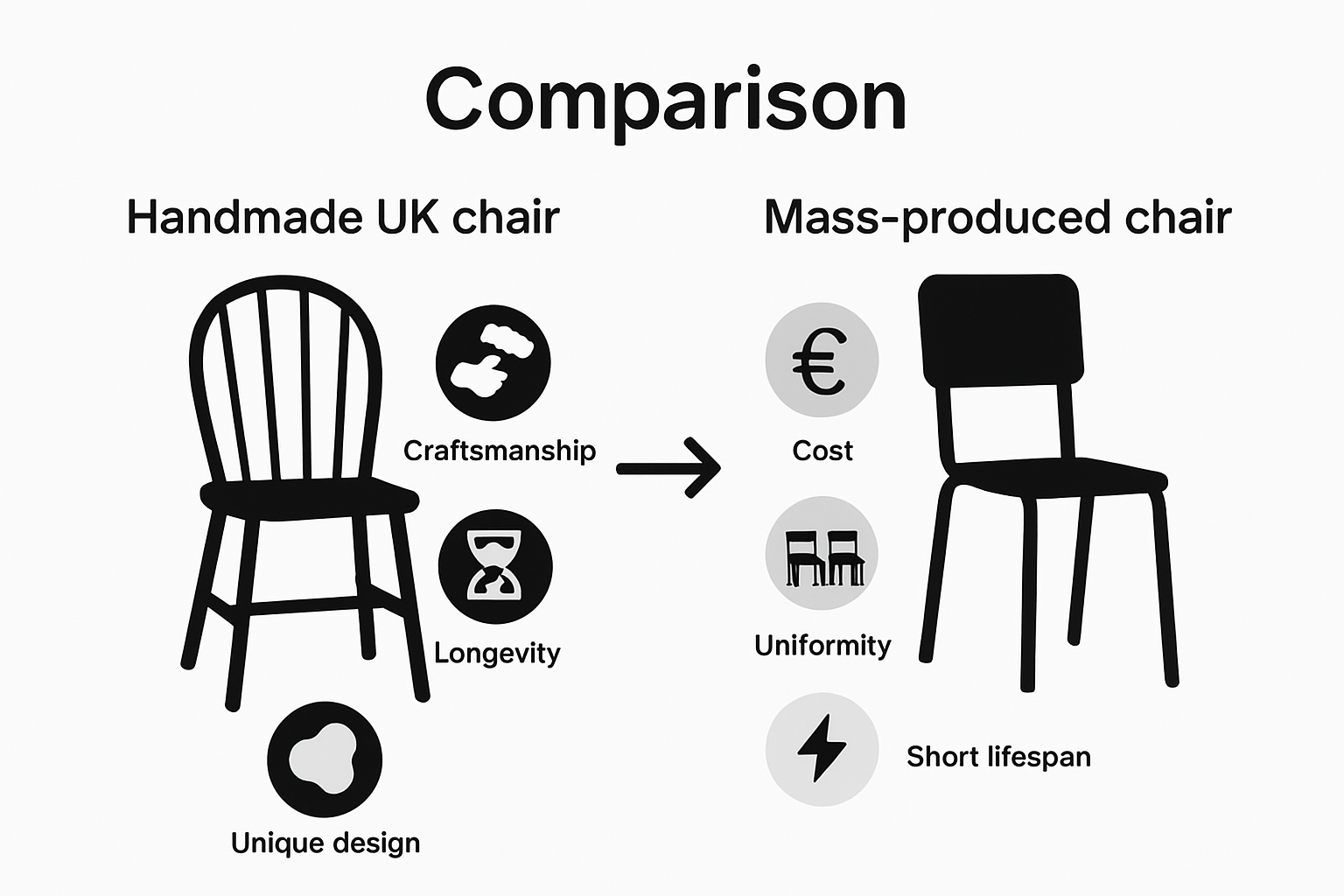
Beyond material selection, British furniture makers increasingly integrate circular economy principles into their production. Many workshops implement waste reduction strategies, repurpose offcut materials into smaller items, and utilise eco-friendly finishes and treatments. The commitment extends beyond the workshop, with many craftspeople actively participating in reforestation programmes and supporting sustainable woodland management. This holistic approach transforms furniture making from a purely commercial activity into a meaningful contribution to environmental stewardship, proving that beautiful, functional design can coexist harmoniously with ecological responsibility.
Investment Value Compared to Mass-Produced Pieces
The concept of investment value in UK handmade furniture transcends traditional notions of purchasing a mere functional object. Unlike mass-produced pieces that depreciate rapidly, handcrafted furniture represents a sophisticated financial strategy that combines aesthetic appreciation with long-term economic value. Each meticulously created piece becomes an asset that potentially appreciates over time, reflecting the extraordinary skill and craftsmanship invested in its creation.
Financial longevity distinguishes handmade furniture from its mass-produced counterparts. While factory-manufactured items typically lose value immediately after purchase, British artisan-crafted pieces maintain and often increase in worth. Traditional manufacturing techniques, superior material selection, and individual design nuances contribute to creating furniture that becomes more valuable with age. The Privilege Leather Sofa Collection exemplifies this principle, demonstrating how carefully constructed pieces can become cherished family heirlooms that retain both emotional and monetary significance.
The investment potential of handmade furniture extends beyond mere monetary considerations. Each piece represents a unique narrative of craftsmanship, embodying hours of skilled labour, precise techniques, and artistic vision. Collectors and discerning homeowners increasingly recognise that these furniture items are not simply functional objects but cultural artefacts that capture a moment in British design history. The rarity and individuality of handcrafted pieces mean they can appreciate significantly, particularly when created by recognised artisans or representing specific design movements.
Unlike standardised mass-production models that prioritise cost-cutting and rapid manufacturing, UK handmade furniture offers a compelling alternative investment strategy. These pieces combine functional utility with artistic excellence, creating objects that serve immediate practical needs while simultaneously representing potential future value. The intricate details, superior construction, and unique design elements ensure that each furniture piece is not just a purchase, but a considered investment in quality, heritage, and individual expression that can be enjoyed and potentially passed down through generations.
Shopping and Care Considerations for UK Buyers
Purchasing handmade furniture represents a nuanced journey that extends far beyond a simple transaction. UK buyers must approach this investment with a comprehensive understanding of quality assessment, purchasing strategies, and long-term maintenance requirements that preserve the unique character and value of artisan-crafted pieces.
Purchasing considerations play a critical role in securing exceptional handmade furniture. Discerning buyers should prioritise direct communication with craftspeople, requesting detailed provenance information, material specifications, and understanding the precise construction techniques. The Winchester High Back Fabric Sofa Collection illustrates how transparent product documentation can provide buyers with comprehensive insights into the craftsmanship behind each piece. Potential purchasers should examine detailed photographs, request timber and finish certificates, and understand the specific care requirements that accompany handmade furniture.
Maintenance and preservation represent equally crucial aspects of handmade furniture ownership. Unlike mass-produced items with generic care instructions, artisan pieces often require specialised cleaning and protection techniques that respect their unique construction. Wooden furniture demands periodic conditioning with natural oils, careful cleaning with specialised products, and protection from direct sunlight and extreme humidity. Upholstered pieces require professional cleaning approaches that maintain fabric integrity, with many craftspeople providing specific guidance tailored to their individual creation’s materials and construction methods.
Finally, UK buyers must consider practical logistics when investing in handmade furniture. Delivery timelines for bespoke pieces differ significantly from off-the-shelf products, often requiring extended production periods that reflect the meticulous craftsmanship involved. Buyers should establish clear communication channels with artisans, understand estimated completion timeframes, and discuss potential customisation options. The Barkby Sofa Collection demonstrates how transparent purchasing processes can transform furniture acquisition from a simple transaction into a collaborative design experience, ensuring that each piece perfectly reflects the buyer’s vision and functional requirements.
Discover Timeless Elegance and Lasting Value with UK Handmade Furniture
The challenge of finding furniture that truly combines style, durability and personal meaning is real. You deserve pieces crafted with care using traditional joinery and quality British hardwoods that not only enhance your home but also stand the test of time. Handmade furniture offers unparalleled personalisation, sustainability and investment potential that mass-produced items simply cannot match.
Bring the unique story of British craftsmanship to your living space by exploring our bespoke handmade furniture selection. Our curated collections include classic and contemporary designs all crafted with your lifestyle in mind. Whether you want to customise dimensions, materials or finishes to perfection or choose from expertly crafted sofas, chairs and tables, Homeflair makes it effortless.

Experience furniture shopping designed around trust and ease backed by secure payments and reliable delivery. Start your journey now to own furniture that reflects your personality and values. Visit Homeflair.com and select your next investment in timeless style today. Embrace craftsmanship that lasts a lifetime.
Frequently Asked Questions
What defines UK handmade furniture?
UK handmade furniture is distinguished by the skilled craftsmanship, high-quality materials, and traditional construction techniques used by artisans. Each piece is carefully crafted, often using locally sourced hardwoods and methods that ensure durability and unique character.
Are handmade furniture pieces worth the investment?!
Yes, handmade furniture often represents a long-term investment. Unlike mass-produced items, these pieces tend to appreciate in value over time due to their craftsmanship and materials. They can become cherished family heirlooms, offering both emotional and monetary significance.
How can I maintain my handmade furniture to ensure its longevity?
To maintain handmade furniture, it is essential to follow specific care guidelines. Wooden pieces should be conditioned with natural oils and cleaned with suitable products, avoiding direct sunlight and extreme humidity. Upholstered items may require professional cleaning and care based on the materials used.
Can I customise the design of handmade furniture?
Absolutely! UK artisans often offer extensive customization options, allowing you to specify dimensions, wood finishes, and even design elements to create a piece that perfectly aligns with your taste and needs.