

Over 60 percent of modern British homes now feature open-plan layouts, making clever furniture choices more important than ever. For affluent homeowners, finding a corner sofa that combines stunning style with superior craftsmanship can completely reshape a living space. Exploring the difference between misconception and reality helps you discover how a well-designed corner sofa brings out the best in any British interior, merging bespoke elegance with everyday comfort.
Table of Contents
- What Is A Corner Sofa? Core Definition And Misconceptions
- Types Of Corner Sofa: L-Shaped, U-Shaped And Modular
- Key Features: Comfort, Materials And Craftsmanship
- Why Choose A Corner Sofa: Space And Social Benefits
- Comparing Corner Sofas With Alternatives
- Bespoke And Budget Options For UK Homes
Key Takeaways
| Point | Details |
|---|---|
| Corner sofas maximise space | Designed to fit into room corners, they create efficient seating areas while preserving walking space, particularly beneficial in smaller homes. |
| Versatile configurations available | Choose from L-shaped, U-shaped, or modular designs to suit specific room shapes and seating needs. |
| Comfort and materials matter | Prioritise ergonomic design and quality materials to ensure long-lasting comfort and style in your corner sofa. |
| Bespoke and budget options exist | Customisable high-end sofas or affordable refurbished options can cater to diverse homeowner needs without compromising on style. |
What Is a Corner Sofa? Core Definition and Misconceptions
A corner sofa represents a sophisticated furniture solution designed to maximise living space while offering exceptional seating flexibility. Unlike traditional linear sofas, these ingenious pieces are specifically engineered to fit snugly into room corners, transforming potentially underutilised areas into comfortable, functional zones. Residential space standards highlight the strategic importance of furniture that optimises square meterage in modern British homes.
Typically constructed in an L or U configuration, corner sofas come in multiple design variations that cater to different spatial requirements. These configurations can include fixed corner units, modular sectionals that can be rearranged, and sofas with integrated chaise longue extensions. The core defining characteristic remains consistent: maximising seating capacity while minimising floor space consumption. Practical moving considerations also reveal that these sofas often require modular construction to facilitate easier transportation through narrow hallways and doorways.
Common misconceptions about corner sofas frequently revolve around their perceived complexity and size. Many homeowners mistakenly believe these sofas are exclusively suitable for large living spaces, when in reality, compact corner sofas can dramatically enhance smaller rooms by creating clever seating arrangements. The versatility extends beyond pure functionality – contemporary corner sofas offer aesthetic statements that can dramatically transform interior design landscapes, blending practicality with sophisticated style.
Pro tip: When selecting a corner sofa, measure your room’s dimensions meticulously and consider potential modular options that can adapt to future interior redesigns.
Types of Corner Sofa: L-Shaped, U-Shaped and Modular
Corner sofas come in three primary configurations that cater to different spatial and aesthetic requirements: L-shaped, U-shaped, and modular designs. Contemporary furniture listings reveal the nuanced differences between these configurations, highlighting their unique advantages for British homeowners seeking versatile seating solutions.
The L-shaped sofa represents the most common corner configuration, featuring a standard sofa design with an extended section that creates a distinct right-angled formation. These sofas are particularly suited to smaller to medium-sized living spaces, offering efficient seating without overwhelming the room. Typically, L-shaped sofas can accommodate 3-4 people comfortably, with the extended section providing an additional lounging or reclining space that transforms the traditional seating experience.
In contrast, U-shaped sofas offer maximum seating capacity and create a more immersive social environment. These expansive configurations wrap around multiple walls, making them ideal for larger living areas or open-plan spaces. U-shaped designs typically seat 5-6 people, creating a comprehensive seating zone that encourages conversation and communal interaction. Modular corner sofas represent the most flexible option, with individual sections that can be rearranged, added, or removed to suit changing interior design needs and spatial constraints.
Pro tip: Measure your room’s dimensions carefully and consider the flow of foot traffic before selecting a corner sofa configuration to ensure optimal spatial functionality and comfort.
Here’s a quick comparison of the main corner sofa types to help you choose the best fit for your space:
| Configuration | Best For | Typical Seating | Key Advantage |
|---|---|---|---|
| L-shaped | Small/medium rooms | 3-4 people | Efficient use of room corners |
| U-shaped | Large/open-plan spaces | 5-6 people | Ideal for group gatherings |
| Modular | Flexible layouts | Varies | Reconfigurable to fit needs |
Key Features: Comfort, Materials and Craftsmanship
Corner sofas represent a sophisticated fusion of design, functionality, and craftsmanship, with comfort emerging as the paramount consideration. Designer craftsmanship standards emphasise the critical importance of ergonomic design that supports the human body’s natural contours while providing luxurious seating experiences. The ideal corner sofa achieves a delicate balance between supportive structure and plush comfort, with carefully calculated seat depths, resilient cushioning, and thoughtfully engineered frame construction.
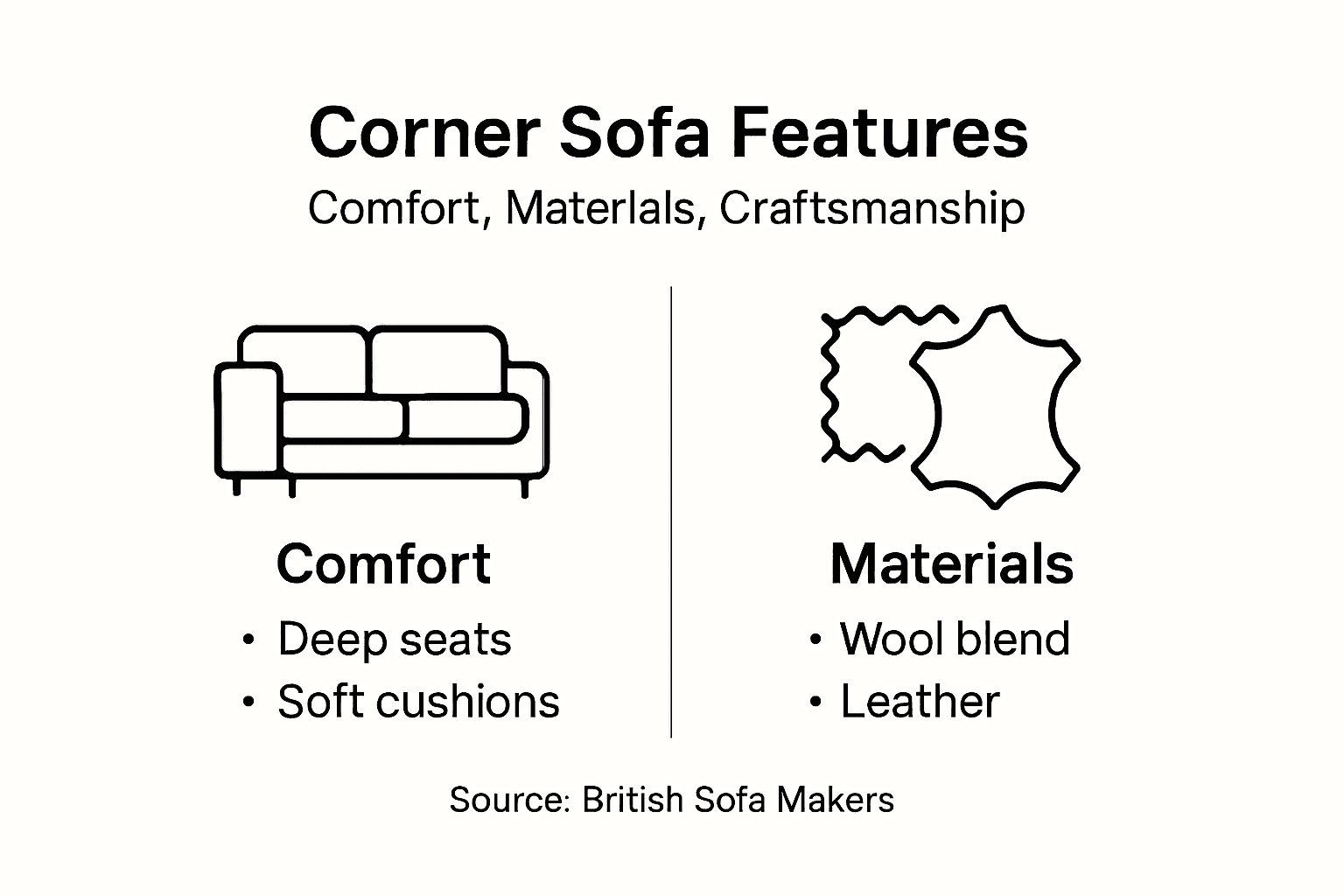
Material selection represents another crucial dimension in corner sofa design, with premium upholstery fabrics playing a transformative role in both aesthetic appeal and durability. High-quality textiles such as robust wool blends, supple leather, and performance fabrics offer distinct advantages. Wool provides natural temperature regulation and exceptional wear resistance, while leather delivers timeless elegance and develops a rich patina over time. Performance fabrics introduce practical benefits like stain resistance and easier maintenance, making them particularly attractive for households with children or pets.
This overview highlights essential material choices for corner sofas and their distinctive benefits:
| Material Type | Main Advantage | Ideal For |
|---|---|---|
| Wool blend | Durable, regulates heat | Family homes |
| Leather | Classic look, wears well | Sophisticated interiors |
| Performance fabric | Stain resistant, easy care | Homes with pets or children |
Craftsmanship distinguishes exceptional corner sofas from standard mass-produced furniture. Handcrafted techniques involving precise joinery, meticulously padded frames, and individually sewn cushion covers demonstrate a commitment to quality that transcends mere functionality. British furniture makers have long been renowned for their attention to detail, employing traditional woodworking skills and contemporary manufacturing techniques to create pieces that are both structurally sound and visually stunning. The result is a corner sofa that represents more than just seating – it becomes an artisan-crafted centrepiece that enhances the entire living space.
Pro tip: When evaluating a corner sofa, inspect the frame construction, test the seat depth, and request fabric samples to ensure you’re investing in a piece that combines comfort, durability, and aesthetic excellence.
Why Choose a Corner Sofa: Space and Social Benefits
Corner sofas represent a revolutionary approach to interior design, offering extraordinary spatial efficiency that transforms living areas into dynamic, multifunctional environments. Social space research highlights how strategic furniture placement can significantly enhance social interaction and room functionality, with corner sofas emerging as a prime example of intelligent spatial design.
The primary advantage of corner sofas lies in their remarkable ability to maximise available floor space. Unlike traditional linear sofas that consume significant room real estate, these ingenious designs nestle perfectly into room corners, creating an expansive seating area while preserving valuable walking space. This spatial efficiency becomes particularly crucial in smaller British homes, where every square metre counts. The L or U-shaped configurations allow for maximum seating capacity without creating visual clutter, effectively making rooms feel more spacious and intentionally designed.
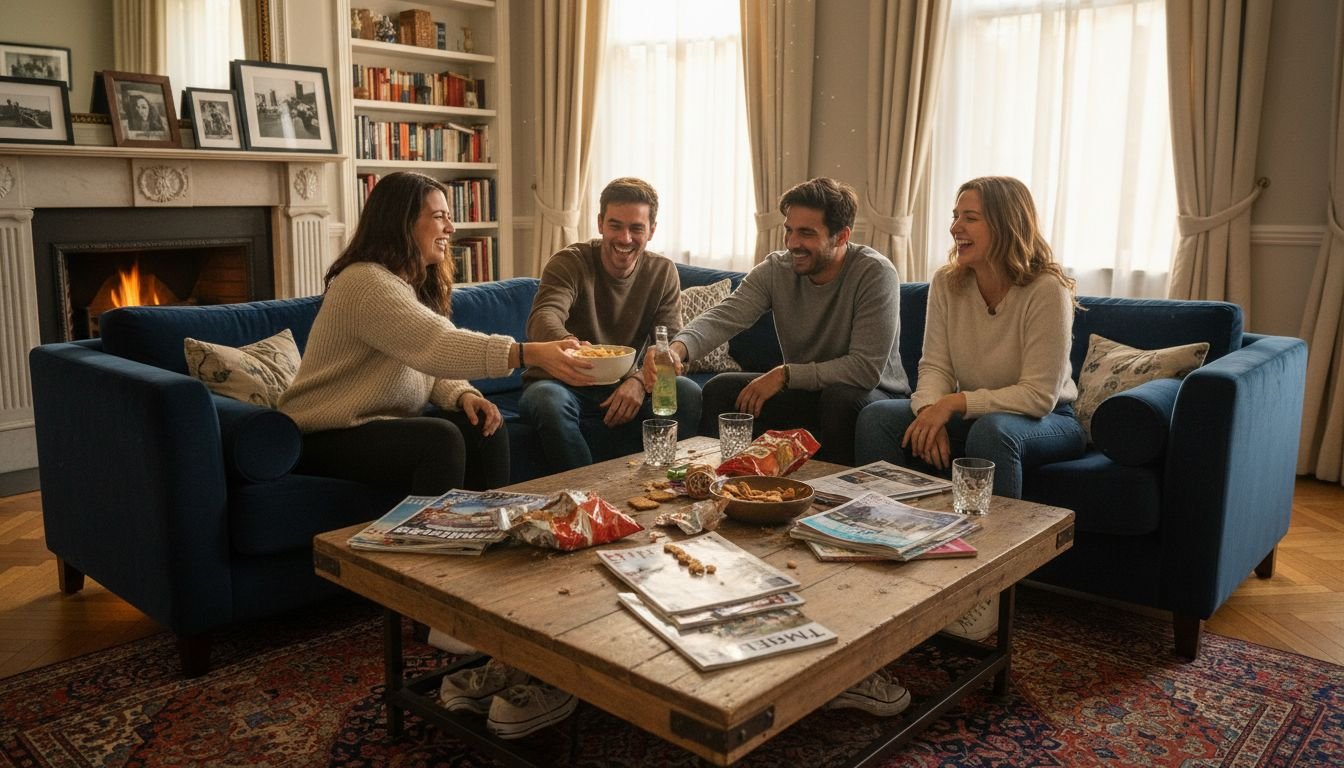
Beyond spatial benefits, corner sofas excel in creating social hubs within living spaces. Their wraparound design naturally encourages conversation, inviting family members and guests to engage more intimately. The continuous seating arrangement eliminates the fragmentation typical of separate armchairs, fostering a sense of connection and togetherness. Whether hosting dinner parties, family gatherings, or simply enjoying a quiet evening with loved ones, corner sofas transform living rooms into warm, inclusive environments that facilitate meaningful interactions.
Pro tip: Measure your room’s diagonal dimensions and consider traffic flow patterns before selecting a corner sofa to ensure optimal placement and social functionality.
Comparing Corner Sofas with Alternatives
When evaluating furniture options, corner sofas present distinctive advantages over traditional seating arrangements. Technical housing standards demonstrate that corner sofas optimise spatial efficiency far more effectively than conventional linear sofas, creating intelligent living environments that maximise every square metre of available space.
Traditional straight sofas typically consume significant linear floor space, offering limited seating for their footprint. In contrast, corner sofas transform challenging room corners into functional seating zones, accommodating more people with less physical real estate. Alternatives like individual armchairs or two-seater sofas require separate positioning and create visual fragmentation, whereas corner sofas provide a seamless, integrated seating solution that enhances room flow and aesthetic cohesion.
Each sofa type presents unique advantages, making the selection dependent on specific spatial and functional requirements. Sofa beds offer versatility for guest accommodation, modular designs provide reconfiguration potential, and individual chairs allow flexible arrangement. However, corner sofas excel in creating dedicated social spaces, offering uninterrupted seating that naturally encourages conversation and connection. Their ability to adapt to various room shapes and sizes makes them particularly appealing for British homes with diverse architectural layouts.
Pro tip: Consider your room’s architectural characteristics, including wall lengths and corner angles, when selecting between corner sofas and alternative configurations to ensure optimal spatial integration.
Bespoke and Budget Options for UK Homes
Corner sofas represent a versatile furniture solution with options ranging from premium bespoke designs to budget-friendly alternatives that cater to diverse British homeowner needs. UK furniture retailers offer an impressive spectrum of corner sofa configurations that balance quality craftsmanship with affordability, ensuring that every budget can access stylish and functional seating solutions.
At the premium end, bespoke corner sofas provide unparalleled customisation opportunities. Homeowners can select specific dimensions, fabric types, colour palettes, and configuration styles that precisely match their interior design vision. These handcrafted pieces often feature superior frame construction, high-density foam cushioning, and premium upholstery materials like full-grain leather or high-performance wool blends. Such sofas are typically manufactured by skilled British craftsmen, ensuring exceptional quality and supporting local manufacturing industries.
For budget-conscious consumers, alternative approaches offer remarkable value without compromising on style. Refurbished or ex-display corner sofas provide an economical route to acquiring high-quality furniture, with some options offering significant discounts while maintaining structural integrity. Modular designs also present cost-effective solutions, allowing gradual investment by purchasing individual sections over time. Additionally, some charitable organisations specialise in sustainable furniture solutions, offering unique, affordable corner sofas that simultaneously support environmental responsibility and budget constraints.
Pro tip: Always request fabric swatches and sit-test corner sofas before purchasing to ensure comfort, colour accuracy, and perfect fit for your living space.
Discover the Perfect Corner Sofa to Transform Your Living Space
Choosing the right corner sofa means solving key challenges like optimising your room’s layout, ensuring lasting comfort, and matching your unique style preferences. Whether you are drawn to an L-shaped, U-shaped or modular design, the need for bespoke craftsmanship and carefully selected materials is clear if you want a piece that truly elevates your home. At Homeflair, we understand the importance of turning corners into welcoming social hubs that fit your exact dimensions and lifestyle requirements.
Explore our wide selection of fabric and leather corner sofas that combine expert British craftsmanship with flexibility to suit any space, from cosy apartments to spacious family rooms. With options to customise your sofa’s size, colour and fabric or leather type, plus access to discounted ex-display models for budget-friendly upgrades, Homeflair offers you quality and value in one seamless experience. Don’t wait to create the sophisticated and comfortable centrepiece your home deserves – visit Homeflair now and find the ideal corner sofa that adapts perfectly to your space and brings people together.
Frequently Asked Questions
What is a corner sofa and how does it differ from traditional sofas?
A corner sofa is designed to fit snugly into room corners, maximising seating capacity while minimising floor space. Unlike traditional linear sofas that take up a lot of space, corner sofas utilise L or U shapes to transform underutilised areas into functional seating zones.
What are the main types of corner sofas available?
The main types of corner sofas include L-shaped, U-shaped, and modular designs. L-shaped sofas are ideal for small to medium spaces, U-shaped sofas provide maximum seating for larger rooms, and modular sofas allow for flexible configurations to suit changing needs.
What materials are commonly used for corner sofas and their benefits?
Common materials for corner sofas include wool blends for durability, leather for classic aesthetics, and performance fabrics for practicality. Each material offers unique advantages such as heat regulation, elegance, and stain resistance, making them suitable for different household environments.
What should I consider when measuring my space for a corner sofa?
When measuring for a corner sofa, consider your room’s dimensions, including diagonal lengths and traffic flow patterns. This ensures that the sofa fits well in the space without overwhelming the area, allowing for comfortable movement and social interaction.