

Every british homeowner knows that a beautiful garden deserves sturdy, stylish furniture. With outdoor living becoming more popular, more than 60 percent of british households now invest in new garden furniture each year. Creating the perfect setup starts with careful planning and attention to detail. This step by step guide will help you make your garden space safe, welcoming, and ready for any occasion.
Table of Contents
- Step 1: Prepare the Garden Area for Furniture Setup
- Step 2: Unpack and Inspect Garden Furniture Components
- Step 3: Assemble Each Piece Following Product Guidelines
- Step 4: Arrange Garden Furniture for Comfort and Style
- Step 5: Secure and Test Stability of All Garden Pieces
Quick Summary
| Main Insight | Detailed Explanation |
|---|---|
| 1. Clear the Garden Space | Remove debris and check for hazards to ensure a safe installation area for your furniture. |
| 2. Inspect Furniture Upon Arrival | Unpack and examine each component for damage or defects before beginning assembly to avoid issues later. |
| 3. Follow Assembly Instructions Carefully | Adhere to manufacturer’s guidelines and use the required tools to ensure a stable and durable furniture set. |
| 4. Arrange for Comfort and Style | Strategically place furniture to enhance comfort, define areas, and create an aesthetically pleasing outdoor environment. |
| 5. Ensure Stability and Safety | Regularly check joints and connections, and use stabilisers to maintain furniture security and prevent accidents. |
Step 1: Prepare the Garden Area for Furniture Setup
Setting up your outdoor furniture begins with creating a clean, safe, and well-prepared garden space. Before positioning your elegant new pieces, you will need to assess and prepare your garden area meticulously. Ensuring proper garden preparation involves several key steps that will guarantee a smooth and successful furniture installation.
Start by thoroughly clearing your garden space of any debris, fallen leaves, or accumulated winter residue. Check your patio or decking surface for any uneven spots or potential hazards that might compromise your furniture’s stability. This means carefully inspecting the ground for cracks, loose stones, or areas that might cause your furniture to wobble. Pay special attention to surface levels and consider using a spirit level to confirm that your chosen placement area is flat and even. If you discover any significant irregularities, consider using protective underlays or levelling materials to create a stable foundation.
Next, examine the surrounding garden area for potential obstacles or environmental factors that might impact your furniture placement. Trim back overhanging branches, remove any protruding roots, and ensure adequate drainage to prevent water accumulation near your furniture. Checking pathways and ensuring safe access will also help prevent potential accidents and make your outdoor space more functional and enjoyable.
Pro tip: Always measure your chosen garden area precisely before purchasing furniture to ensure a perfect fit and avoid disappointing surprises during setup.
Step 2: Unpack and Inspect Garden Furniture Components
Upon receiving your garden furniture, the crucial first task is carefully unpacking and thoroughly inspecting each component. This methodical approach ensures you identify any potential manufacturing defects or transportation damage before assembly begins. Preparing your outdoor furniture involves more than just removing packaging.
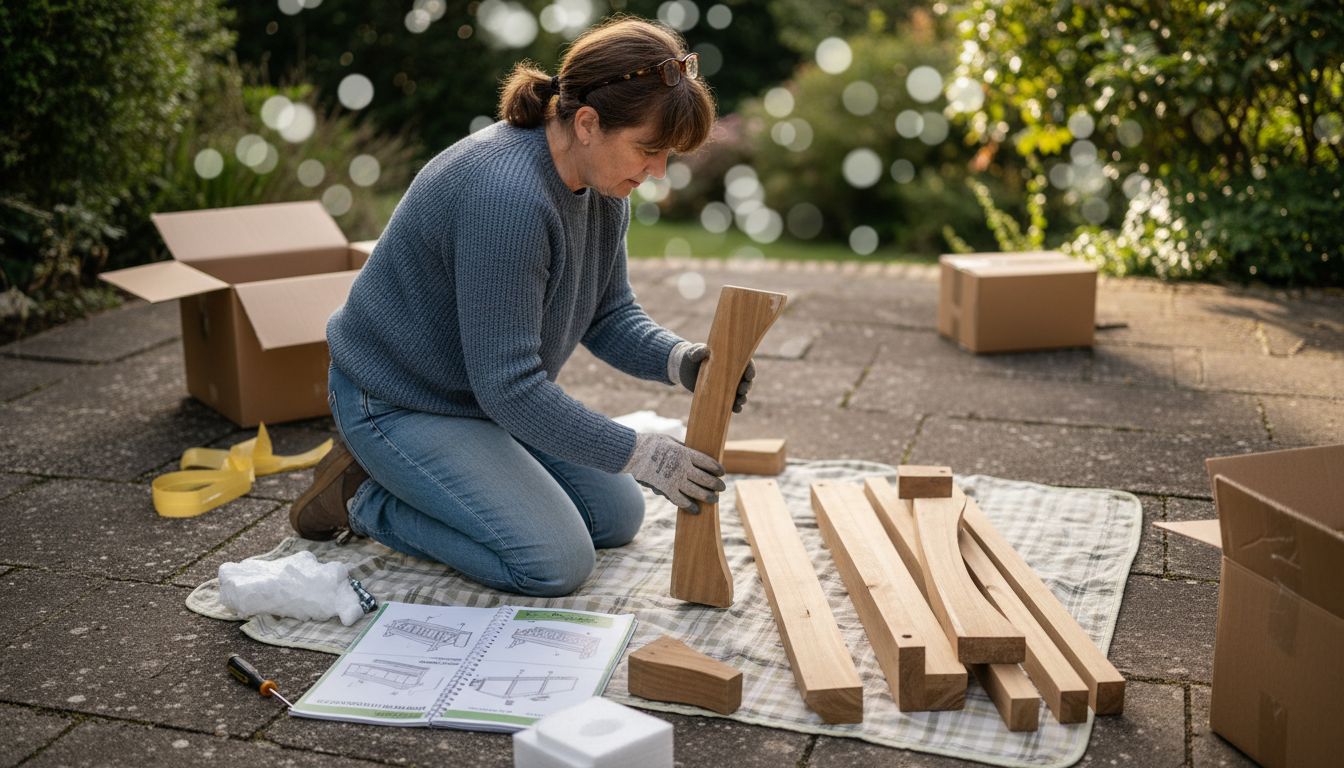
Begin by spreading out all components in a clean, well-lit area with enough space to examine each piece individually. Check every item against the provided inventory list, confirming that all parts are present and undamaged. Look closely for any scratches, cracks, or structural irregularities in frames, cushions, and connecting mechanisms. Pay special attention to metal joints, wooden surfaces, and synthetic rattan weaves for signs of wear or potential weakness. If your set includes modular pieces or multiple sections, verify that corresponding connection points align correctly and show no signs of misalignment.
Once you have completed your visual inspection, gently clean each component using appropriate materials. For plastic or synthetic rattan pieces, use a soft cloth with mild soapy water. Wooden components might require specific wood cleaning products to maintain their finish and protect against potential weathering. Keep all packaging materials intact until you are completely satisfied with the furniture’s condition, as you might need them for potential returns or warranty claims.
Here is a comparison of common garden furniture materials and their maintenance needs:
| Material | Durability Level | Typical Maintenance Required |
|---|---|---|
| Wood | Moderate to high | Regular oiling and cleaning |
| Metal | High | Occasional rust checks, wipe downs |
| Synthetic rattan | High | Gentle washing, UV protection needed |
| Plastic | Moderate | Periodic soap cleaning |
Pro tip: Always photograph each furniture component immediately after unpacking as visual documentation in case you need to make a warranty claim or report shipping damage.
Step 3: Assemble Each Piece Following Product Guidelines
Assembling garden furniture requires patience, precision, and careful attention to the manufacturer’s specific instructions. Your goal is to transform individual components into a cohesive, sturdy outdoor furniture set that will withstand various weather conditions and provide comfortable relaxation. Before beginning assembly, consider creating a clear workspace that allows you to lay out all components systematically.
Start by carefully reading through the entire instruction manual before touching any pieces. Gather all necessary tools in advance typically including screwdrivers, spanners, and potentially an electric drill with appropriate attachments. Lay out all components in order of assembly, grouping similar parts together and ensuring you have every single piece from the inventory list. Pay close attention to the orientation of each component checking for specific markings or colour coded sections that indicate correct positioning. When connecting pieces, apply gentle but firm pressure and avoid forcing components together which might cause structural damage. For modular furniture sets, focus on creating secure connections between sections ensuring they align perfectly and provide stable support.
Take your time during the assembly process and do not rush. If a particular step seems unclear, consult the manufacturer’s online resources or customer support for additional guidance. Some furniture sets might require two people for certain assembly stages particularly when dealing with larger or heavier components. Always work on a flat stable surface and consider using a soft blanket or cardboard to protect both the furniture pieces and your flooring during assembly.
Pro tip: Keep the instruction manual and all packaging materials until you are completely satisfied with the assembled furniture and confident in its structural integrity.
Step 4: Arrange Garden Furniture for Comfort and Style
Transforming your outdoor space into a stylish and comfortable sanctuary requires thoughtful furniture placement and strategic design. Creating a functional garden layout begins with understanding your garden’s unique characteristics and how you intend to use the space.
Start by mapping out your garden area, considering factors such as sunlight exposure, wind patterns, and existing landscape features. Consider creating different zones for dining, lounging, and relaxation. Position larger furniture pieces like corner sofas or dining sets in areas that offer the most comfort and visual appeal. Aim to create a natural flow between different seating areas, ensuring there is sufficient walking space and that furniture does not obstruct natural pathways. When arranging modular pieces, experiment with various configurations that maximise both functionality and aesthetic harmony.
Pay attention to the visual balance and proportions of your furniture arrangement. Integrating high quality outdoor seating involves more than just placement it also requires considering how different pieces complement each other. Use cushions, throws, and decorative elements to add texture and personality. Consider incorporating potted plants or small garden features to soften the space and create natural transitions between furniture pieces. Remember that your garden furniture should not only look beautiful but also provide comfortable and inviting spaces for relaxation and entertainment.
Pro tip: Always leave approximately 75 centimetres of walking space between furniture pieces to ensure comfortable movement and prevent a cramped feeling in your outdoor area.
This summary illustrates key considerations for arranging garden furniture:
| Consideration | Impact on Comfort | Impact on Style |
|---|---|---|
| Sunlight exposure | Affects seating enjoyment | Enhances visual atmosphere |
| Walking space (75 cm) | Prevents crowding | Improves spatial harmony |
| Furniture zone creation | Defines relaxation areas | Adds structure to layout |
| Decorative accessories | Increases cosiness | Adds personality to space |
Step 5: Secure and Test Stability of All Garden Pieces
Ensuring the stability and safety of your garden furniture is crucial for both enjoyment and long term durability. Preventing potential accidents begins with a comprehensive assessment of each furniture piece and its connection to the ground.
Start by carefully checking all joints, connections, and support structures for any signs of looseness or instability. Gently rock each piece to determine its firmness and identify any areas that might require additional securing. For modular furniture sets, verify that individual sections connect securely and do not shift when pressure is applied. Consider using ground anchoring systems or stabilising weights for pieces positioned on uneven surfaces or in areas prone to wind. Pay particular attention to table legs, chair bases, and corner connections where structural integrity is most critical.
Maintaining furniture structural quality involves regular inspection and proactive maintenance. Test the weight distribution of each piece by sitting or applying controlled pressure to different areas. Look for any signs of wobbling, flexing, or unusual movement that might indicate underlying structural weaknesses. For wooden or rattan furniture, check for any signs of wood rot, loose weaving, or material degradation that could compromise stability. Metal furniture should be examined for rust, joint flexibility, and any potential stress points that might develop over time.
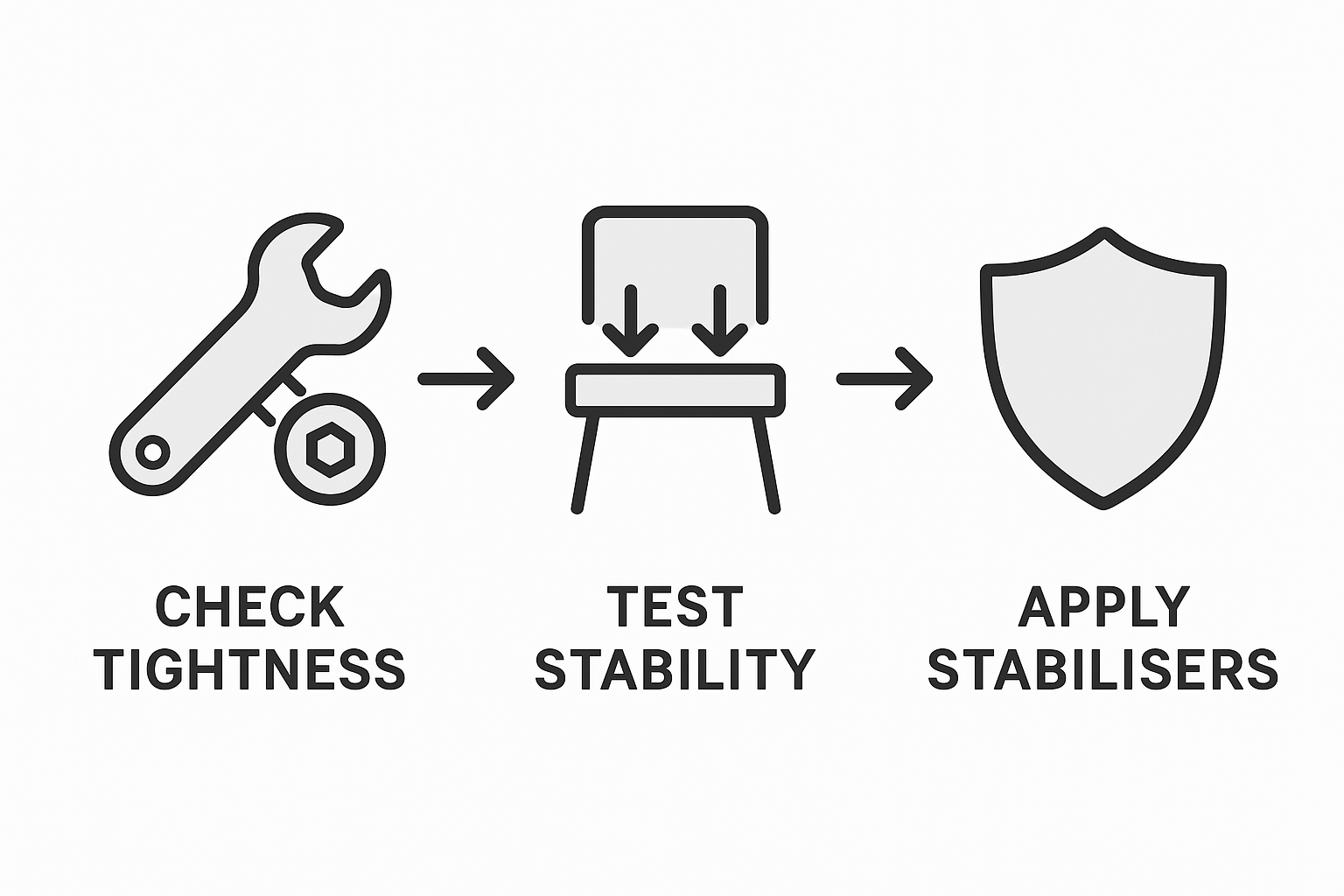
Pro tip: Invest in outdoor furniture stabilisers or anti slip pads to provide additional security and prevent unwanted movement during use.
Elevate Your Garden Furniture Setup with Homeflair
Transforming your garden into a stylish and comfortable outdoor haven involves careful preparation, precise assembly, and thoughtful arrangement of your furniture. The challenges discussed in the article include ensuring a stable foundation, verifying component quality, and creating a balanced layout to enhance both comfort and aesthetics. You want furniture that not only fits perfectly but also endures the elements and complements your personal style.
At Homeflair, we understand these concerns and offer a curated selection of high-quality outdoor furniture designed for durability, style, and ease of setup. Whether you need robust modular sofas, elegant dining sets, or essential accessories like stabilisers and cushions, we provide detailed product listings with pricing and flexible options so you can make confident choices. Our focus on customer support and secure checkout ensures your outdoor space makeover is smooth from start to finish.
Discover how you can simplify your garden furniture journey with Homeflair. View our comprehensive collections and enjoy fast delivery that lets you start assembling your perfect outdoor space sooner.

Ready to create a garden that reflects your unique style and meets your comfort goals? Explore our premium outdoor furniture range now and bring your vision to life with expert craftsmanship and trusted quality at Homeflair.com. Don’t wait to make every garden moment exceptional.
Frequently Asked Questions
How do I prepare my garden area for furniture setup?
To prepare your garden area for furniture setup, clear the space of debris and check for any uneven surfaces. Ensure you create a flat, stable foundation by inspecting the ground and using protective underlays if needed.
What should I inspect when unpacking my garden furniture?
When unpacking your garden furniture, check each component against the inventory list and look for any signs of damage, such as scratches or cracks. Clean the pieces gently with appropriate materials and keep packaging in case of returns.
What tools do I need to assemble my garden furniture?
You will typically need screwdrivers, spanners, and possibly an electric drill for the assembly of garden furniture. Gather these tools in advance to ensure a smoother assembly process, helping to avoid delays.
How can I arrange my garden furniture for comfort and style?
Arrange your garden furniture by creating different zones for dining, lounging, and relaxation. Ensure you leave approximately 75 centimetres of walking space between pieces to promote easy movement and enhance the overall visual appeal.
What steps can I take to secure and test the stability of my garden furniture?
To secure and test stability, check all joints and connections for looseness and gently rock each piece to assess firmness. Use ground anchoring systems for unstable surfaces and regularly inspect furniture for any signs of degradation.
How often should I maintain my garden furniture?
Regular maintenance of your garden furniture is essential for durability. Aim to inspect and clean the furniture every season to prevent possible damage and keep the pieces looking their best.