

Most British homes feature living rooms where a single sofa configuration often becomes the heart of family life. Choosing the right layout affects more than just the look—it influences comfort, conversation, and even daily routines. In fact, over 60 percent of British homeowners say seating arrangements impact how often they host guests. Understanding sofa configuration can help you create a space that feels open, inviting, and perfectly suited for your home.
Table of Contents
- What Sofa Configuration Means For Homes
- Popular Sofa Configuration Types Explained
- Customisation Options For Bespoke Sofas
- Choosing Ideal Sofa Shapes And Sizes
- Common Pitfalls When Selecting Configurations
Key Takeaways
| Point | Details |
|---|---|
| Importance of Sofa Configuration | Thoughtful sofa arrangement enhances social interaction and room dynamics, fostering a comfortable environment. |
| Versatile Designs are Key | Modern preferences favour modular and adaptable sofas to accommodate various living scenarios. |
| Customisation offers Personal Touch | Bespoke sofas allow homeowners to tailor aesthetics and functionality, reflecting individual style. |
| Avoid Common Pitfalls | Consider room dimensions and traffic flow to prevent overwhelming or underwhelming the space with sofa choices. |
What Sofa Configuration Means for Homes
Sofa configuration represents more than furniture placement - it is about creating intentional living spaces that reflect personal style and functional needs. Understanding how sofas interact with room dynamics transforms ordinary spaces into harmonious environments where comfort meets design. In essence, sofa configuration involves strategically positioning and selecting furniture pieces to maximise social interaction, aesthetic appeal, and practical usability.
The layout of your seating directly impacts room energy and social connectivity. Feng Shui principles highlight how thoughtful sofa placement can foster family harmony and conversation, encouraging more meaningful interactions beyond passive television viewing. A well-configured living area invites connection, allowing family members and guests to engage naturally without feeling cramped or disconnected. This might involve creating conversation zones, ensuring clear pathways, and maintaining balanced spatial relationships between furniture pieces.
Modern sofa configurations are increasingly focused on versatility and adaptability. Contemporary design trends emphasise configurations that promote open, airy layouts and conversational spaces, moving away from rigid traditional arrangements. Homeowners now seek modular sofas, sectional designs, and flexible seating options that can easily transform to accommodate different activities - from intimate family gatherings to larger social events. Key considerations include room size, architectural features, natural light sources, and intended usage patterns.
Pro Tip: Spatial Harmony: Before finalising your sofa configuration, use masking tape to outline potential furniture placements on the floor, allowing you to visualise and experiment with different layouts without physically moving heavy pieces.
Popular Sofa Configuration Types Explained
Sofa configurations offer remarkable diversity, transforming living spaces through strategic design choices. From compact two-seater arrangements to expansive modular setups, each configuration brings unique aesthetic and functional characteristics that cater to different lifestyle needs. Understanding these variations helps homeowners make informed decisions about their interior layout and seating requirements.
Sofa types range dramatically, from classic Chesterfields with deep buttoned upholstery to versatile modular designs, providing incredible flexibility for modern living spaces. Traditional configurations like the elegant Chesterfield present a timeless silhouette with rolled arms and sophisticated detailing, while contemporary modular sofas allow homeowners to adapt their seating arrangements as needs change. These configurations can be rearranged, expanded, or reconfigured to suit different social scenarios and spatial constraints.
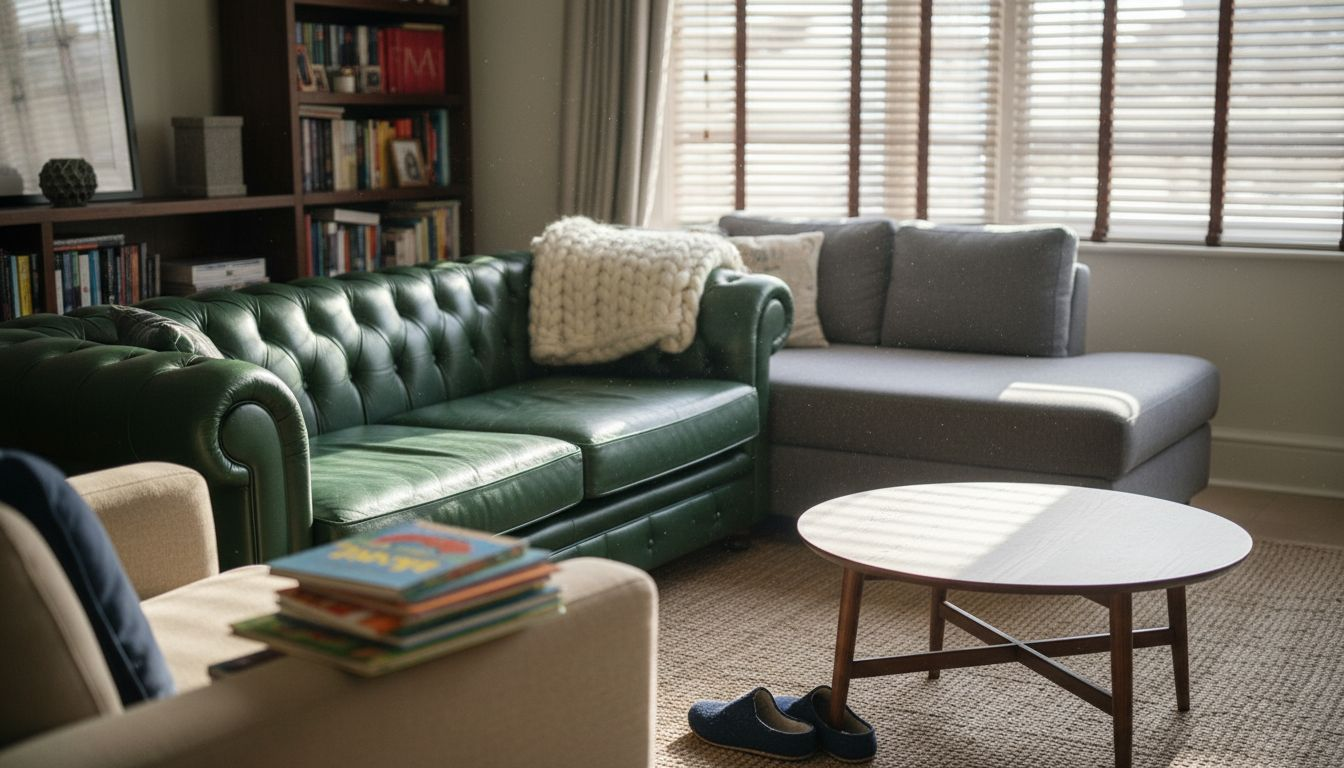
Contemporary sofa designs include specialised configurations like chaise longues, futons, and loveseats, each serving distinct purposes. Chaise longues offer luxurious lounging options with asymmetrical designs, futons provide practical sleeping solutions for compact spaces, and loveseats create intimate seating for couples or small areas. The key is selecting a configuration that balances aesthetic appeal with practical functionality, considering factors like room size, lifestyle requirements, and personal design preferences.
To clarify the benefits and considerations of various sofa configurations, see the comparison below:
| Configuration Type | Typical Benefit | Common Limitation |
|---|---|---|
| Modular | Flexible layouts for various occasions | May require more floor space |
| Chesterfield | Classic elegance, timeless style | Can overwhelm small rooms |
| Chaise Longue | Luxurious lounging and comfort | Limited seating capacity |
| Loveseat | Perfect for small spaces or couples | Less suitable for large groups |
| Futon | Dual use as seating and bed | May compromise on comfort |
Pro Tip: Configuration Compatibility: Always measure your room’s dimensions and doorways before selecting a sofa configuration to ensure smooth delivery and optimal placement.
Customisation Options for Bespoke Sofas
Bespoke sofas represent the pinnacle of personalised furniture design, offering homeowners unprecedented control over their living space aesthetics. Far beyond standard off-the-shelf options, these custom pieces allow individuals to express their unique style through carefully selected materials, configurations, and design elements. The beauty of bespoke sofas lies in their ability to transform from mere furniture into personalised statements that reflect individual taste and functional requirements.
Contemporary sofa trends highlight innovative customisation options that enable remarkable design flexibility, ranging from decorative embellishments like intricate fringes to armless configurations that create open, adaptable living spaces. Modern customisation extends beyond visual appeal, encompassing practical considerations such as modular arrangements that can be reconfigured to suit changing lifestyle needs. Homeowners can now select from an array of design elements including arm styles, leg designs, and upholstery textures that complement their existing interior design.
Bespoke sofa customisation offers extensive choices in materials, configurations, and design details, allowing for truly unique furniture pieces. From selecting premium leather or luxurious fabric upholstery to choosing specific configurations like chaise longues or compact loveseats, the possibilities are virtually limitless. Considerations such as room dimensions, existing decor, and personal comfort preferences play crucial roles in crafting the perfect custom sofa that seamlessly integrates into a living space.
Here is a quick reference guide to sofa customisation aspects and their typical impact:
| Customisation Option | Interior Impact | User Benefit |
|---|---|---|
| Upholstery Material | Influences look and feel | Tailored comfort and durability |
| Arm Style | Alters silhouette and space usage | Matches décor and function |
| Modular Arrangement | Adapts to room dimensions | Easily reconfigured layout |
| Leg Design | Affects visual openness | Enhances style or adds storage |
Pro Tip: Fabric Selection: Always request fabric samples before making a final decision, as colours and textures can appear differently in various lighting conditions.
Choosing Ideal Sofa Shapes and Sizes
Selecting the perfect sofa involves far more than aesthetic preference - it requires a strategic approach to matching furniture with living space dynamics. The shape and size of your sofa can dramatically transform a room’s functionality, visual balance, and overall comfort. Understanding how different configurations interact with spatial constraints is crucial for creating an inviting and practical living environment.
Sofa selection demands careful consideration of room dimensions and intended functional use, with different shapes serving distinct purposes. Traditional configurations like Chesterfield sofas work beautifully in spacious period properties, offering elegant proportions and classic styling, while modular designs provide remarkable versatility for contemporary homes with changing spatial requirements. The key lies in understanding how each sofa shape can either enhance or constrain your living space’s potential.
Room proportions play a critical role in determining the most suitable sofa shape and size, with options ranging from compact loveseats to expansive sectional arrangements. Smaller spaces benefit from streamlined designs that create an illusion of openness, such as low-profile sofas with slim legs, whereas larger rooms can accommodate more substantial, statement pieces that anchor the living area. Factors like doorway width, existing furniture, and traffic flow must be meticulously evaluated to ensure the selected sofa integrates seamlessly into the room’s overall design.
Pro Tip: Spatial Planning: Use painter’s masking tape to outline your proposed sofa dimensions on the floor, allowing you to visualise the actual space it will occupy before making a purchase.
Common Pitfalls When Selecting Configurations
Sofa configuration might seem straightforward, but numerous subtle mistakes can transform your living space from elegant to awkward. Homeowners frequently underestimate the complexity of selecting the right sofa, often making decisions based on aesthetic appeal without considering practical implications. These choices can significantly impact room functionality, comfort, and overall visual harmony.
Common configuration errors often stem from neglecting room proportions and spatial dynamics, resulting in furniture that overwhelms or underwhelms the living area. A substantial Chesterfield sofa, while luxurious, can dominate a small room, creating a cramped atmosphere, whereas a diminutive loveseat might appear lost in a spacious living area. The critical challenge lies in achieving a delicate balance between size, style, and spatial context.
Positioning errors can dramatically disrupt the energy and functionality of a living space, extending beyond mere aesthetic concerns. Placing a sofa against a window, for instance, can obstruct natural light, block potential views, and create uncomfortable energy flow. Strategic placement requires consideration of traffic pathways, natural light sources, architectural features, and potential conversation zones. Successful configuration demands thoughtful evaluation of how furniture interacts with the room’s inherent characteristics.
Pro Tip: Spatial Evaluation: Before purchasing, create a scale drawing of your room and use paper cut-outs representing potential sofa dimensions to visualise potential arrangements.
Elevate Your Living Space with Perfect Sofa Configuration
Understanding the intricate art of sofa configuration is essential for crafting a living room that is both functional and inviting. Whether you seek a modular arrangement for versatile social gatherings or a bespoke leather sofa that reflects your unique style, the challenges of balancing size, shape, and placement can be overwhelming. The article highlights common pitfalls such as misjudging room dimensions or ignoring natural light flow, which can leave even the most stylish sofa feeling out of place.
At Homeflair.com, we specialise in turning these challenges into opportunities with a vast collection of fabric and leather sofas designed for every room size and lifestyle. Our bespoke options let you customise upholstery, arm styles, and modular designs to achieve spatial harmony. Explore our range today to transform your living room with furniture that blends craftsmanship, durability, and design elegance. Visit Homeflair.com now to find the perfect sofa configuration that suits your home and style before your next room refresh!
Frequently Asked Questions
What are the benefits of a well-configured sofa arrangement?
A well-configured sofa arrangement promotes social interaction, enhances aesthetic appeal, and maximises the usability of your living space by creating comfortable conversation zones and clear pathways.
How do I choose the right sofa configuration for my room size?
To choose the right sofa configuration, consider the room’s dimensions, existing architectural features, natural light sources, and your intended usage patterns. Modular and flexible seating options are ideal for adapting to various spatial requirements.
What are the most common types of sofa configurations?
Common sofa configurations include modular sofas, Chesterfield sofas, chaise longues, loveseats, and futons. Each type offers unique aesthetic and functional benefits depending on your living space and lifestyle needs.
What should I avoid when selecting a sofa configuration?
Avoid selecting sofas that overwhelm or underwhelm the space, neglecting room proportions and spatial dynamics. Also, be mindful of positioning errors, such as blocking natural light or creating awkward traffic flow.